Summary
Diagnostic medical sonographers, often called ultrasound technicians, play an important role in healthcare. They use ultrasound equipment to capture images that help physicians diagnose and monitor medical conditions. The path into this field usually starts with a high school diploma or GED, followed by an accredited sonography program, clinical training, and professional certification. Depending on your education background and the route you choose, becoming credentialed can take anywhere from about one to six years. Most sonographers enter the field with an associate degree, and certification or licensure requirements vary by state.
Introduction
Ultrasound technicians, formally known as diagnostic medical sonographers, use high-frequency sound waves to create real-time images of organs, tissues, and blood flow inside the body, and understanding what an ultrasound probe is helps explain how these images are generated during scanning. These images help doctors diagnose and monitor many conditions, from pregnancy and fetal development to heart and vascular disease.
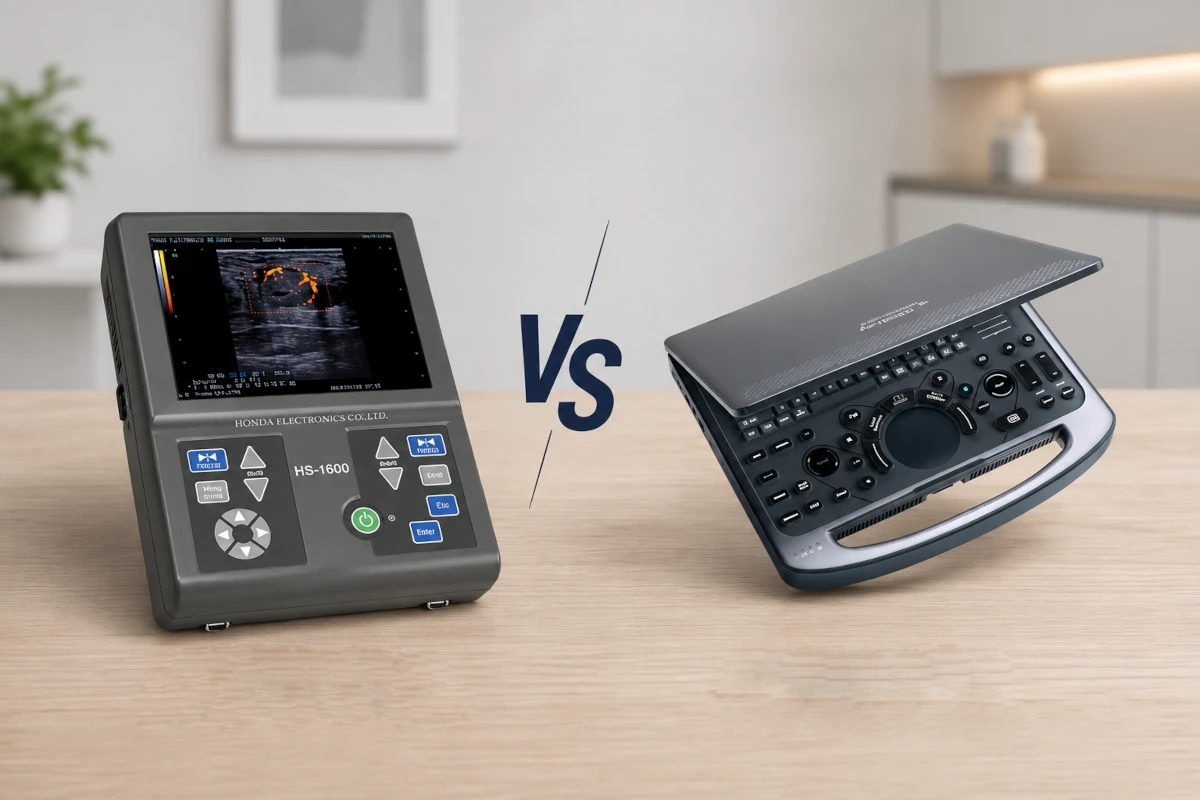
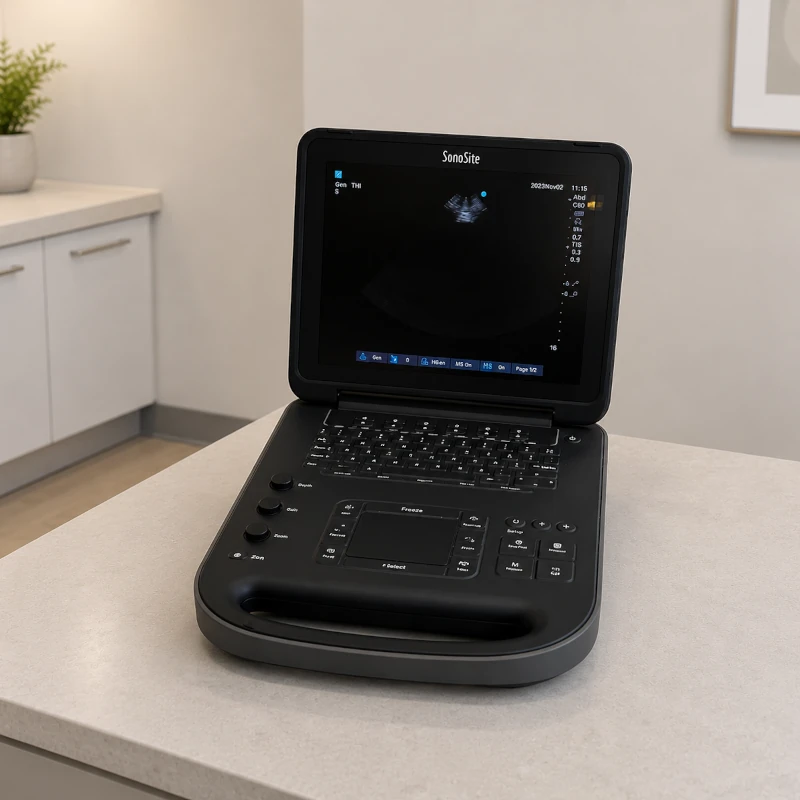
Because ultrasound is noninvasive and does not use ionizing radiation, it has become an increasingly valuable tool in modern medicine, especially with advances in portable ultrasound machines types that make imaging more accessible across different care settings. As a result, demand for trained sonographers continues to grow. According to the U.S. Bureau of Labor Statistics, employment for diagnostic medical sonographers is projected to grow 13 percent between 2024 and 2034, adding about 11,700 jobs. That growth rate is much faster than the average for all occupations.
This guide explains how to become an ultrasound technician, including education, clinical training, certification, licensure, specialization, and job prospects.
Step 1: Earn a High School Diploma or GED
A high school diploma or GED is the minimum requirement for admission into most sonography programs. Students who are interested in this career should focus on subjects like anatomy, physiology, physics, and math. Some colleges may also require SAT or ACT scores, and certain programs may ask applicants to show they can meet the physical demands of the job, such as lifting or helping position patients.
Step 2: Choose an Accredited Sonography Program
There are three main educational paths to becoming an ultrasound technician:
Certificate Programs
Certificate programs are often designed for people who already have experience in healthcare. These programs usually take about 14 to 22 months and focus on core sonography coursework and clinical training. Students typically study medical terminology, anatomy, physics, and ethics.
Associate Degree Programs
An associate degree is the most common route into the profession. These programs usually take about two years to complete and offer a broader education in anatomy, pathology, physics, and patient care, along with hands-on clinical experience. Graduates are generally prepared for entry-level jobs and certification exams.
Bachelor’s Degree Programs
Bachelor’s degree programs typically take four years and provide more in-depth training. In addition to sonography coursework and clinical practice, students complete general education classes such as biology, chemistry, and algebra. A bachelor’s degree may also lead to opportunities in leadership, education, or advanced clinical roles.
Why Accreditation Matters
When choosing a program, accreditation is one of the most important factors to consider. Look for programs accredited by the Commission on Accreditation of Allied Health Education Programs (CAAHEP) or another recognized accrediting body. Graduating from an accredited program is often the most direct path to certification eligibility. It is also a good idea to review admission requirements early and verify program recognition through the U.S. Department of Education or the Council for Higher Education Accreditation.
Step 3: Complete Clinical Training
Sonography programs include a clinical component where students gain supervised, hands-on experience in hospitals, imaging centers, or physician offices. During these rotations, students learn how to position patients, perform scans, operate equipment, and communicate effectively in a clinical setting, including understanding when to use different transducers such as linear vs convex ultrasound probes depending on the exam type.
Many programs require students to complete a minimum number of supervised scans before graduating. After finishing school, some graduates continue building experience through internships or entry-level roles, which can also help them make professional connections.
Step 4: Earn Professional Certification
Certification is not legally required in every state, but it is strongly preferred and often expected by employers. Earning a professional credential shows that you have met industry standards and are prepared to provide quality patient care.
Main Certifying Organizations
The primary certifying organization for sonographers is the American Registry for Diagnostic Medical Sonography (ARDMS). To earn the Registered Diagnostic Medical Sonographer (RDMS) credential, candidates must pass the Sonography Principles and Instrumentation (SPI) exam and at least one specialty exam. Specialty options include abdominal sonography, obstetrics and gynecology, fetal echocardiography, and pediatric sonography.
In most cases, eligibility requires completing a CAAHEP-accredited program. Another route may be available for those with a two-year allied health degree plus 12 months of clinical experience. ARDMS also offers credentials in areas such as cardiac and vascular sonography.
Another credentialing option is offered by the American Registry of Radiologic Technologists (ARRT), which provides certification in sonography. To qualify, candidates must complete an ARRT-recognized program, hold an associate degree or higher, and meet the organization’s ethical requirements.
Which certification you pursue may depend on your educational background, the program you attended, and your long-term career goals.
Preparing for the Exams
Most candidates prepare using study guides, review materials, and practice exams from the certifying organizations. Some students take the SPI exam during their final semester to speed up the credentialing process after graduation.
Step 5: Understand Licensure Requirements
It is important to understand the difference between certification and licensure. Certification is a professional credential awarded by a private organization, while licensure is a legal requirement issued by a state.
At present, only four U.S. states require licensure for sonographers: New Hampshire, New Mexico, North Dakota, and Oregon. In those states, licensure usually involves graduating from an approved program, holding a national certification such as ARDMS or ARRT, and completing a background check. Licenses also need to be renewed periodically, often every two years.
Even in states where licensure is not required, many employers still expect job candidates to hold certification. For the most current state-specific information, resources such as the Society of Diagnostic Medical Sonography and the CareerOneStop licensure database can be helpful.
Step 6: Specialize and Continue Your Education
Sonography includes several specialty areas, and many professionals choose to focus on one or more of them over time. Common specialties include abdominal, cardiac, vascular, musculoskeletal, obstetric and gynecologic, and pediatric sonography.
Specializing often requires additional coursework, more clinical experience, and passing specialty certification exams. This can improve both job opportunities and earning potential.
Continuing education is also an important part of the profession, and while most programs focus on human healthcare, similar structured approaches can be seen in areas like veterinary ultrasound training where hands-on practice and progressive skill development are equally important. Credentialing organizations typically require sonographers to complete continuing medical education credits on a regular basis to maintain certification and stay current with changes in technology and best practices. Some professionals also return to school for advanced certificates or bachelor’s degrees to move into leadership, teaching, or research positions.
Step 7: Search for Jobs and Start Your Career
Once you have completed your education and certification, the next step is entering the workforce. A strong résumé should highlight your clinical training, certifications, and any specialty experience.
Entry-level jobs can be found in hospitals, outpatient clinics, physician offices, and diagnostic laboratories. Depending on the workplace, schedules may include evenings, weekends, or other nontraditional hours, so flexibility can be helpful.
Joining professional organizations such as the Society of Diagnostic Medical Sonography or the American Institute of Ultrasound in Medicine can also support your career. These groups offer networking opportunities, industry updates, and access to job postings and educational events.
Important Skills and Qualities for Ultrasound Technicians
Successful sonographers typically share a combination of technical ability and strong interpersonal skills. According to the Bureau of Labor Statistics, important qualities include:
- Communication skills: explaining procedures clearly to patients and communicating effectively with physicians
- Attention to detail: following precise instructions and recognizing subtle differences in imaging results
- Hand-eye coordination: moving the transducer accurately while monitoring the image on the screen
- Interpersonal skills: helping patients feel comfortable and working well with healthcare teams
- Physical stamina: standing for long periods and assisting with patient positioning
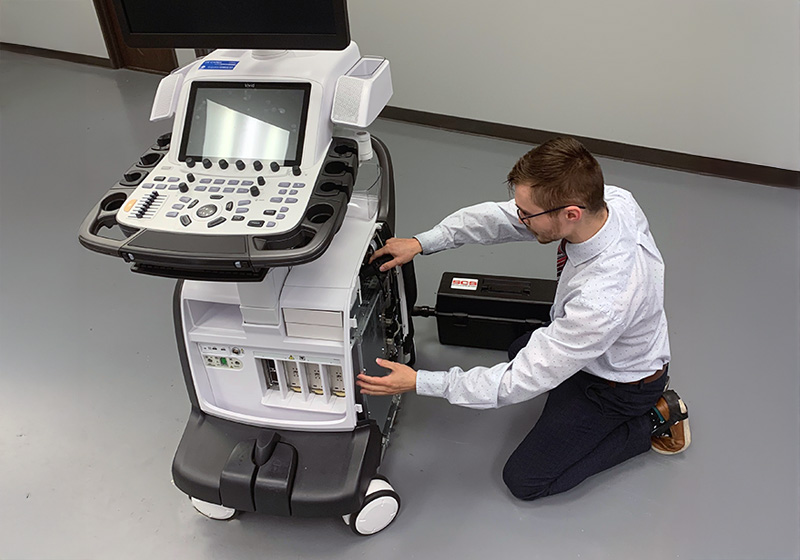
- Technical aptitude: learning and operating advanced imaging equipment, including familiarity with key ultrasound machine parts that affect performance and image quality.
Salary and Job Outlook
The U.S. Bureau of Labor Statistics reports that the median annual salary for diagnostic medical sonographers was $89,340 in May 2024, or about $42.95 per hour. The lowest 10 percent earned less than $64,760, while the highest 10 percent earned more than $123,170.
Pay can vary depending on employer, specialty, and location. Sonographers working in outpatient care centers earned the highest median pay at around $123,610, followed by those in hospitals at about $90,070 and physicians’ offices at roughly $89,450.
Job growth in this field is expected to remain strong. Employment is projected to grow 13 percent from 2024 to 2034, with approximately 5,800 openings each year. An aging population and the growing use of ultrasound in diagnosis and treatment are expected to continue driving demand.
Conclusion
Becoming an ultrasound technician takes commitment, but it offers a clear and rewarding path into healthcare. The process typically includes earning a high school diploma, completing an accredited sonography program, gaining clinical experience, earning certification, understanding state licensure requirements, and continuing your education through specialization and professional development.
With a median salary close to $90,000 a year and job growth well above average, diagnostic medical sonography can offer both financial stability and meaningful work. For people interested in patient care, medical technology, and strong career prospects, it can be an excellent choice.
Frequently Asked Questions
How long does it take to become an ultrasound technician?
The timeline can range from about one to six years, depending on your starting point and the educational path you choose. Certificate programs are usually the fastest option, taking around 14 to 22 months. Associate degree programs generally take two years, while bachelor’s programs take four years.
Do I need a degree to become an ultrasound technician?
Not always. Some people enter the field through a certificate program, especially if they already have a healthcare background. However, many employers prefer candidates with at least an associate degree in diagnostic medical sonography. A bachelor’s degree may lead to more advancement opportunities.
Is certification required?
Certification is not legally required in every state, but most employers prefer or require it. Common credentials include the ARDMS RDMS certification and ARRT sonography certification. In many cases, certification involves passing the SPI exam and a specialty exam.
Which states require licensure?
As of 2026, New Hampshire, New Mexico, North Dakota, and Oregon require licensure for diagnostic medical sonographers. In other states, certification may still be expected by employers even if licensure is not required.
What are the job prospects and salary?
Job prospects are strong. The Bureau of Labor Statistics projects 13 percent employment growth for sonographers from 2024 to 2034. The median annual salary is about $89,340, though earnings can vary based on specialty, employer, and location. Outpatient care centers tend to offer the highest pay.