Summary
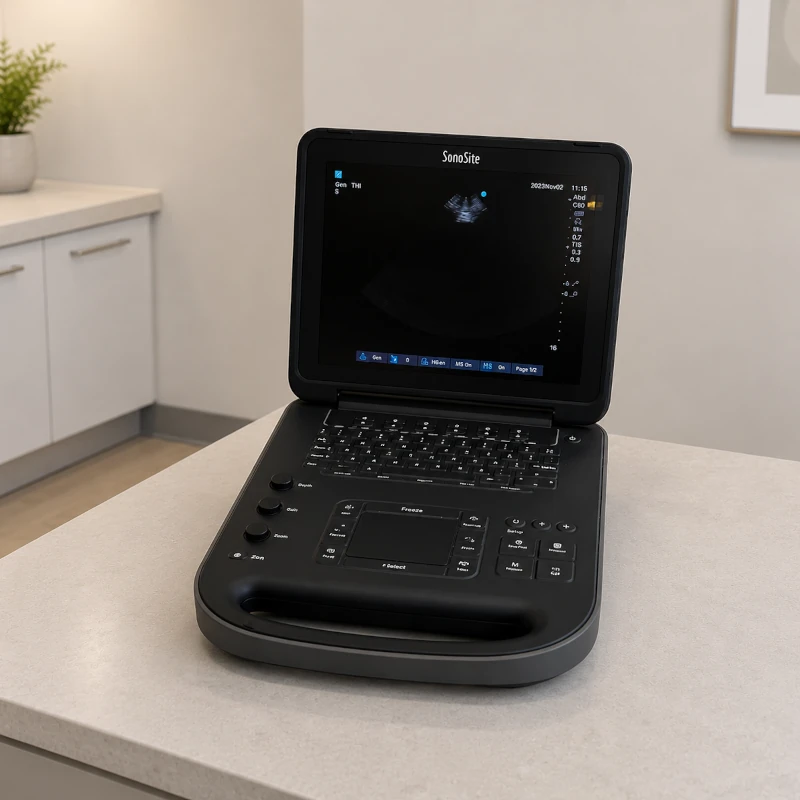
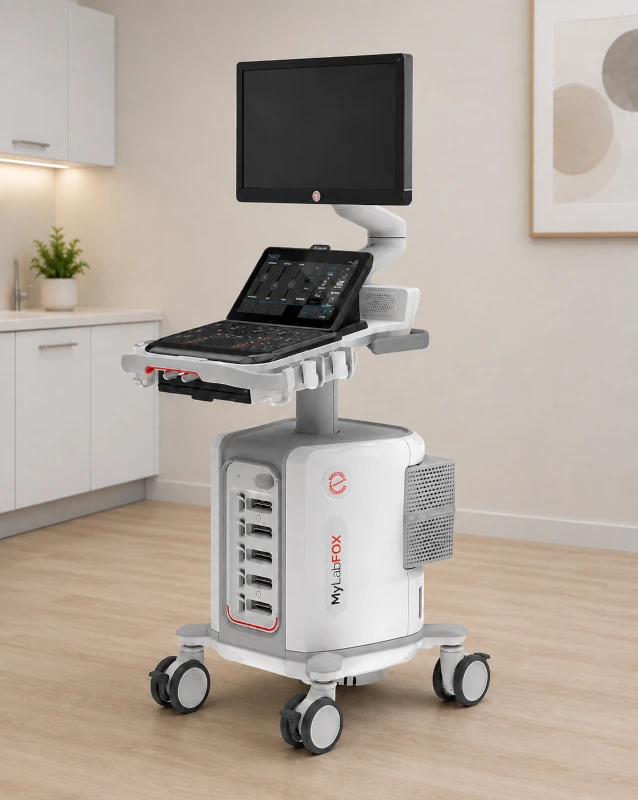
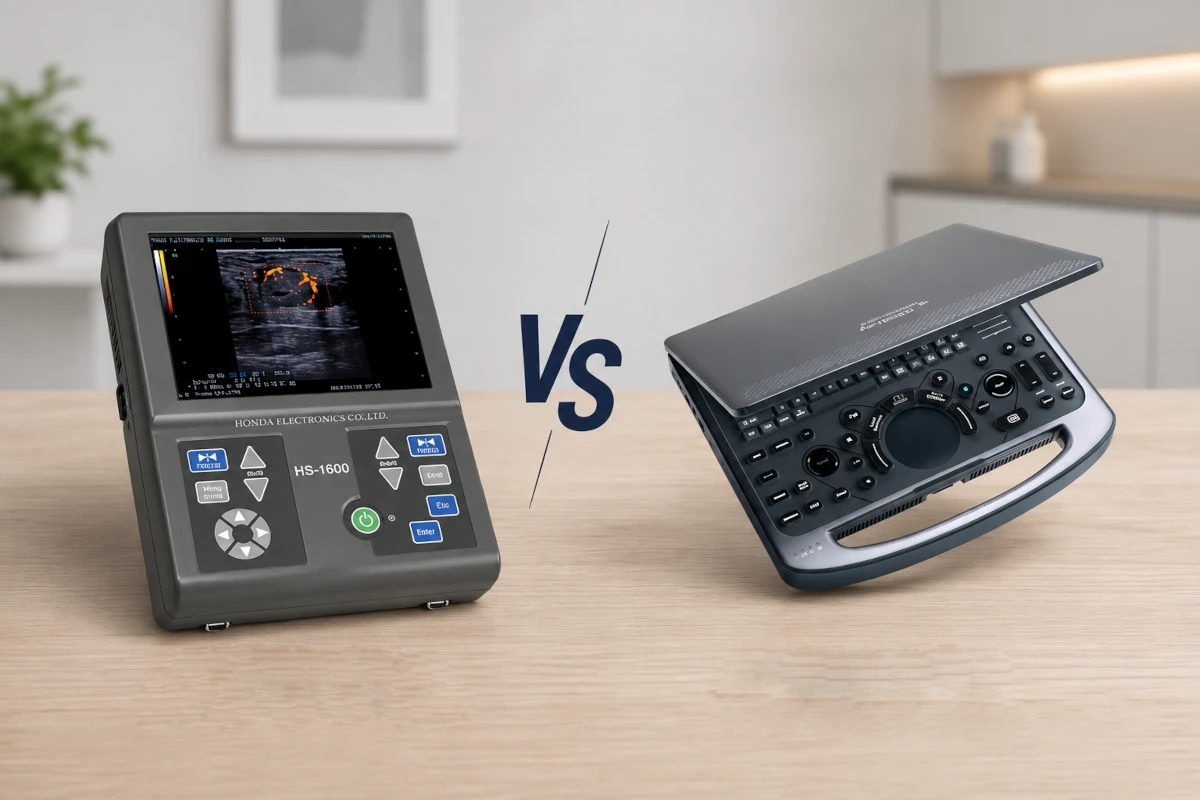
Mindray and Honda can both be considered for veterinary ultrasound, but they usually fit different buying needs. Mindray may suit clinics wanting a broader veterinary ultrasound range, while Honda may appeal to vets looking for compact, practical systems for field, livestock, reproductive, and portable use.
Introduction
Mindray vs Honda is not a simple “which brand is better?” question. The better choice depends on where the machine will be used, which animals are scanned, which probes are needed, and whether the buyer wants a clinic-focused system, portable system, or field-use scanner.
Mindray veterinary ultrasound systems include cart-based and portable options designed for image quality, dedicated veterinary parameters, and user-friendly workflow. Honda veterinary ultrasound systems include models such as the HS-1600V, HS-2200V, and HS-2700V, with several options positioned around portable or animal-use applications.
This comparison looks at where Mindray and Honda differ, what each brand may do well, and what buyers should check before choosing one.
Quick Verdict: Mindray or Honda?
Mindray may be the better fit for small animal clinics, mixed practices, and buyers who want a wider veterinary ultrasound range with both cart-based and portable options.
Honda may be the better fit for vets who want a compact, practical veterinary ultrasound system for mobile, farm, equine, reproductive, or field-based work.
The final choice should come down to the exact model, probe package, condition, image quality, service support, and the exams your practice performs most often. A well-configured system from either brand can be a better purchase than a more recognisable model with the wrong probes or poor support.
The Main Difference: Veterinary System Range vs Field Practicality
Mindray has the advantage when buyers want more choice across different veterinary workflows. Its veterinary imaging range includes multiple Vetus systems and portable options, making it easier to compare models for small animal, large animal, clinic, and mixed-practice use. Mindray also describes Vetus series systems as supporting a wide variety of species, from small pets to large farm animals.
Honda, on the other hand, may feel more focused around compact and practical veterinary scanning. Models such as the HS-1600V and HS-2200V are relevant when portability, field handling, screen size, battery use, and simple workflow matter. Honda lists the HS-1600V as an 8.4-inch LCD model with a 3 kg body excluding the probe, while the HS-2200V is described as a 12.1-inch portable ultrasound system.
Mindray may feel more like a broad veterinary ultrasound platform, while Honda may feel more like a practical portable choice for specific field and animal-use scenarios.
Where Mindray Has the Advantage
Mindray may stand out for its wider veterinary ultrasound range, portable and cart-based options, dedicated veterinary parameters, small animal and mixed-practice suitability, and more clinic-friendly workflow choices.
This makes Mindray attractive for practices that want a main ultrasound system rather than only a compact field scanner. A small animal clinic may want stronger abdominal imaging, veterinary presets, Doppler options, image storage, and a system that multiple staff members can use. A mixed-practice clinic may want one brand family that can cover small animal, equine, and selected farm animal work.
Mindray’s Vetus 5, for example, is described as a cost-effective veterinary ultrasound imaging system with dedicated animal presets and simple veterinary workflow. Higher-end Vetus models are positioned around more advanced image quality, workflow, and veterinary tools.
Best Mindray Fit
Mindray may be a stronger choice for small animal clinics, mixed veterinary practices, clinics buying a main ultrasound system, practices needing cart-based workflow, vets wanting both portable and clinic-based options, and buyers comparing used or refurbished veterinary systems.
It may also be a better fit when the buyer wants a system that can grow with the practice, provided the selected model has the right probes, software, and support.
Where Honda Has the Advantage
Honda may stand out for compact portable systems, field-friendly veterinary use, livestock and reproductive scanning, equine or farm work, and practical battery-powered use on selected models.
The Honda HS-1600V is a good example of why Honda is often considered for portable veterinary work. Honda lists it with an 8.4-inch LCD, 3 kg weight excluding the probe, wide viewing angle LCD, shoulder belt support, USB memory support, and Doppler-compatible probe options. Its probe list includes transrectal, convex, linear, micro-convex, OPU, meat quality, and T-type probe options depending on configuration.
Honda may also appeal to buyers who already know they need a specific portable setup for pregnancy assessment, breeding, meat quality checks, or small animal use. Honda’s veterinary product selection guide is organised around use cases such as pregnancy evaluation and breeding, meat quality determination, and small animal applications.
Best Honda Fit
Honda may be a stronger choice for farm animal vets, equine vets, mobile veterinarians, reproductive scanning, livestock pregnancy checks, buyers needing a compact secondary system, and practices that do not need a large cart-based workstation.
It may also make sense for buyers comparing used or refurbished Honda models, as long as the battery, screen, probes, and service options are checked carefully.
Clinic Use vs Field Use
For a small animal clinic or mixed practice that performs regular abdominal scans, bladder checks, soft tissue imaging, reproductive exams, and occasional Doppler work, Mindray may be easier to justify because of its broader veterinary-focused lineup.
For a vet working in barns, farms, stables, or mobile settings, Honda may be attractive if the chosen model is portable enough, includes the right probes, and can handle the scanning environment.
This should not be treated as an absolute rule. Mindray also offers portable veterinary systems, including models such as Vetus E7 and Vetus EQ. Honda systems can also be used in clinic-style settings when the screen size, probes, and workflow fit the job. The better question is whether the specific system fits the daily workflow.
Probe Package: The Detail That Decides the Better Buy
The machine name matters less than the probes included. A Mindray system with the wrong probes may be less useful than a Honda system with the exact probes needed for daily work, and the reverse is also true.
For veterinary buyers, common probe needs include micro-convex, linear, convex, and phased-array probes for small animal abdominal exams, tendon work, abdominal imaging, reproductive imaging, and cardiac exams, along with rectal and Doppler-capable probes where needed.
Honda’s veterinary specification material lists multiple probe categories across models, including rectal, convex, micro-convex, linear, OPU, and meat-quality probes. Mindray’s equine-focused Vetus EQ page also lists application-specific transducers, including a linear probe for tendon application, phased-array probe for cardiology, convex probe for abdominal diagnosis, and intrarectal linear array transducer for reproduction.
Before choosing either brand, buyers should confirm exact probe model numbers, compatibility, cable condition, lens condition, test images, and replacement cost.
Image Quality, Doppler, and Workflow
Buyers should avoid assuming one brand always has better image quality. A newer Mindray with suitable probes may be more useful for small animal clinic imaging than an older Honda field unit. At the same time, a well-maintained Honda system may be a practical choice for reproductive or livestock work if it has the correct probe package.
Ask for sample images from the exact machine, not only brochures from the manufacturer. Confirm Doppler features if needed, check screen brightness and visibility, compare workflow speed, review probe condition, confirm software and presets, and consider how many people will use the machine.
Honda’s HS-2700V is listed with Color Flow Mapping, Power Doppler, and Pulse Wave Doppler functions, while Mindray offers multiple veterinary systems with different workflow and imaging levels.
The better ultrasound machine is the one that produces reliable images for the exams you actually perform, not simply the one with the better-known brand name.
Used or Refurbished: Which Brand Is Safer to Buy?
For used Mindray systems, buyers should check the exact Vetus or Z-series model, probes, veterinary presets, Doppler features, software options, image quality, service history, and warranty. A used Mindray may be a strong option if it still fits current clinic needs and has suitable probes.
For used Honda systems, buyers should pay extra attention to model age, battery condition, screen condition, included probes, probe cable wear, Doppler compatibility, and replacement probe availability. Portable field machines can experience more movement, cable stress, and battery wear than systems kept in one exam room.
For both brands, a safer purchase should include test images, clear probe details, warranty or return terms, and seller support. A cheaper used machine can become expensive quickly if the probes are damaged or parts are hard to source.
What Buyers Often Misunderstand
Mindray is not automatically better just because it has a wider model range. Honda is not automatically better just because it may be compact and practical.
A portable system is not always the best choice for a full clinic workflow, and a cart-based or higher-feature system may be unnecessary for simple reproductive scanning. Probes, service support, and condition can matter more than brand name.
Buyers also sometimes underestimate total cost. A cheaper used machine may cost more long-term if the probes are missing, the battery is weak, software options are limited, or replacement parts are difficult to find.
Common Buying Mistakes to Avoid
Common mistakes include comparing brands instead of exact models, buying before confirming probe needs, choosing by price alone, assuming every system includes Doppler, and forgetting battery health on portable systems.
Buyers should also avoid ignoring screen visibility for field use, buying used equipment without test images, failing to check service and parts availability, choosing a field-focused unit for advanced small animal imaging, or buying a clinic system that is too bulky for mobile work.
The best purchase should match the real exams performed every week, not just the brand that sounds better on paper.
Final Recommendation
Choose Mindray if the practice wants a broader veterinary ultrasound range, clinic-friendly workflow, small animal or mixed-practice suitability, and both portable and cart-based options.
Choose Honda if the priority is practical portable scanning, especially for farm, equine, livestock, reproductive, or mobile veterinary work.
Mindray may be the more flexible choice for many clinics, while Honda may be the more practical choice for certain field and reproductive workflows. The best decision depends on the exact model, probes, condition, support, and animals your practice scans most often.
FAQ
Is Mindray better than Honda for veterinary ultrasound?
Mindray is not automatically better than Honda. Mindray may suit clinics that want a broader veterinary ultrasound range, while Honda may suit buyers looking for compact, practical systems for field, equine, livestock, or reproductive use.
Is Honda ultrasound good for veterinary use?
Honda ultrasound machines can be useful for veterinary applications, especially portable, farm, equine, livestock, and reproductive scanning, depending on the model and probe setup.
Is Mindray good for small animal clinics?
Yes, Mindray may be a strong option for small animal clinics and mixed practices because it offers dedicated veterinary ultrasound systems with portable and cart-based options.
Which brand is better for farm vets?
Honda may be attractive for farm and reproductive scanning if the system includes suitable probes and battery support. Mindray may also be suitable for mixed practices that need broader veterinary imaging capability.
Which brand is better for portable veterinary ultrasound?
Both brands offer portable options. Mindray may offer a broader veterinary portable range, while Honda may be considered for compact field-focused models such as the HS-1600V.
Should I buy a used Mindray or Honda ultrasound machine?
A used Mindray or Honda ultrasound machine can be worth buying if the machine is tested, includes the right probes, has clear image quality, and comes with reliable seller support. For Honda, battery and probe condition are especially important. For Mindray, confirm the exact model, software options, probes, and veterinary workflow fit.
What should I compare before choosing Mindray or Honda?
Compare the exact model, probe package, image quality, Doppler features, battery health, portability, software, service history, warranty, replacement probe availability, and whether the system fits your daily veterinary exams.