
Summary
Ultrasound is used in veterinary care for much more than pregnancy checks. It is a flexible, non-invasive imaging tool that helps veterinarians examine internal organs, monitor pregnancy, assess the heart, investigate abdominal or urinary problems, and evaluate soft tissue injuries in a wide range of animals. Dogs, cats, horses, cattle, sheep, goats, pigs, and even many exotic species may all need an ultrasound at some point in their care.
Introduction
When most people hear the word ultrasound, they think of pregnancy scans. In veterinary medicine, though, ultrasound is used for far more than that. It has become one of the most useful everyday diagnostic tools in modern practice.
By sending high-frequency sound waves into the body and reading the echoes that come back, veterinarians can create real-time images of organs, soft tissues, blood flow, and developing fetuses. Because ultrasound does not use ionizing radiation, it is generally considered very safe and is often well tolerated by animals.
Today, ultrasound is used to investigate everything from vomiting and urinary problems to heart disease, internal bleeding, tendon injuries, and reproductive issues across many areas of veterinary medicine. This guide explains why an animal might need an ultrasound, which species are commonly scanned, and how the purpose of the exam can vary from one animal to another.
Why Animals May Need an Ultrasound
The basic technology is the same across species, but the reason for doing an ultrasound can vary a lot. Veterinarians may use ultrasound to:
Evaluate internal organs
Ultrasound helps visualize the liver, kidneys, spleen, pancreas, intestines, and bladder in real time.
Confirm and monitor pregnancy
It can detect pregnancy early and help monitor fetal development and viability.
Assess heart function
Cardiac ultrasound, or echocardiography, is used to evaluate murmurs, chamber size, valve function, and blood flow.
Check the bladder and urinary tract
Ultrasound can help identify stones, thickening, blockages, and other urinary tract changes.
Examine soft tissue injuries
It is especially useful for tendons, ligaments, swelling, and fluid pockets, particularly in horses and athletic animals.
Guide procedures
Ultrasound can help place needles more accurately for biopsies, fluid sampling, or draining pockets of fluid.
Perform emergency assessments
In trauma cases, a FAST scan can help detect fluid in the abdomen, chest, or around the heart.
The way ultrasound is used can look very different depending on whether the patient is a cat, a cow, a horse, or a reptile. That is why species-specific context matters.
Dogs and Cats
Dogs and cats account for a large share of ultrasound exams in small animal practice. They commonly need imaging for digestive issues, urinary problems, pregnancy, organ changes, and heart disease.
Because cats in particular often hide illness until it is fairly advanced, ultrasound can be especially useful when symptoms are vague or subtle.
Common Ultrasound Uses in Dogs
Dogs may need an abdominal ultrasound for vomiting, diarrhea, weight loss, abdominal pain, abnormal bloodwork, or suspected masses. The scan can help veterinarians look closely at organs such as the liver, spleen, kidneys, pancreas, intestines, and bladder and determine whether the issue looks more like inflammation, infection, structural disease, or cancer.
Ultrasound is also commonly used in dogs with heart murmurs, coughing, fainting, or suspected heart disease. An echocardiogram helps assess heart chamber size, valve movement, and blood flow, which can guide diagnosis and treatment.
In emergency situations, such as trauma or suspected internal bleeding, a FAST scan may be used to quickly check for free fluid in the abdomen or chest.
Pregnancy confirmation is another routine reason for ultrasound in dogs. It can often confirm pregnancy earlier than radiographs and can help assess fetal viability.
Common Ultrasound Uses in Cats
Cats may need ultrasound for weight loss, chronic vomiting, poor appetite, urinary issues, abnormal bloodwork, or subtle behavior changes that suggest something internal may be wrong.
Ultrasound allows the veterinarian to examine the liver, kidneys, bladder, stomach, intestines, pancreas, and spleen. It can also be useful for checking intestinal thickness, identifying masses, and monitoring chronic diseases such as kidney or liver problems.
Cardiac ultrasound is also important in cats, especially in breeds prone to conditions like hypertrophic cardiomyopathy. It helps measure heart wall thickness and assess function.
Many cats can be scanned awake, but mild sedation may be recommended if the animal is anxious or if detailed imaging is needed.
Horses
Ultrasound is one of the most commonly used imaging tools in horses, especially because it can be performed in the field with portable machines. It plays a major role in both reproduction and sports medicine.
Reproductive and Pregnancy Ultrasound in Horses
Ultrasound is widely used in equine reproduction to confirm ovulation, evaluate the uterus, detect pregnancy early, monitor fetal development, and identify complications such as twins.
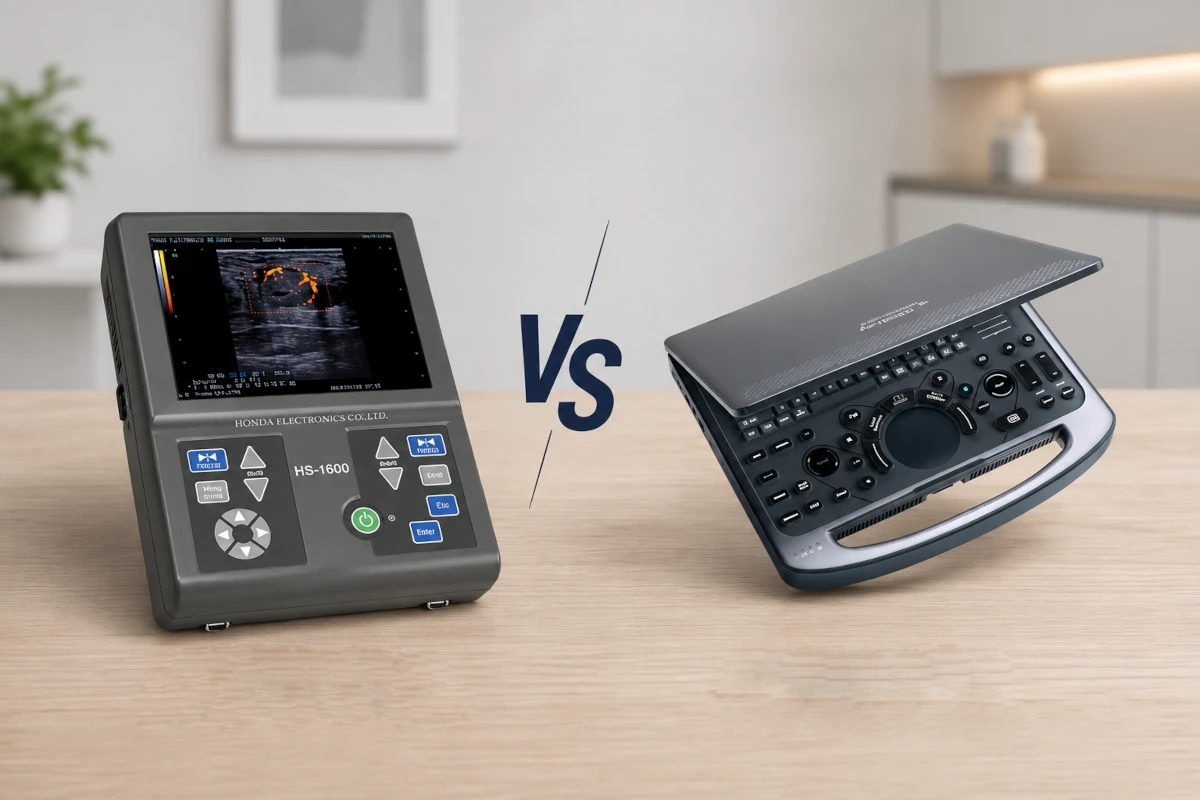
Because many equine reproductive exams happen in barns or on farms, portability matters a lot, which is one reason many veterinarians consider Honda ultrasound systems for equine and livestock field work. This is one of the areas where ultrasound is especially valuable in everyday practice.
Tendon and Ligament Injury Evaluation
Horses also commonly need ultrasound for tendon and ligament injuries. It helps veterinarians assess fiber pattern, swelling, lesion size, and healing progress.
That makes it especially useful in performance horses, where treatment and return-to-work decisions often depend on repeated scans over time. Ultrasound may also be used in horses for colic evaluations, chest imaging, and guidance during certain injections or procedures.
Cattle, Sheep, Goats, and Other Livestock
In livestock medicine, ultrasound is especially important for herd health and reproductive management. It helps producers make practical decisions about breeding, feeding, and culling while also supporting the health of individual animals.
Ultrasound for Cattle
In beef and dairy cattle, transrectal ultrasound is commonly used for pregnancy diagnosis, fetal aging, and reproductive evaluation. It can also help identify ovarian cysts, uterine changes, and other reproductive issues.
One of the biggest advantages is that it gives immediate visual information. That helps producers identify open cows sooner and make faster breeding or herd management decisions.
Ultrasound for Sheep and Goats
In sheep and goats, ultrasound is mainly used for pregnancy detection, litter counting, and estimating gestational age.
That information helps producers plan feeding more accurately and group animals based on litter size or stage of pregnancy. In goats, ultrasound is also helpful for monitoring fetal viability and checking for problems such as pseudopregnancy.
Other Livestock: Pigs, Alpacas, and Llamas
In pigs, ultrasound is commonly used for pregnancy diagnosis, reproductive monitoring, and sometimes body condition assessment.
In alpacas and llamas, it serves a similar reproductive role, helping confirm pregnancy and monitor fetal development. Because these animals are often scanned outside of a traditional clinic setting, portable equipment is especially useful.
Exotic Pets and Wildlife
Ultrasound is not limited to common domestic animals. It is also used in rabbits, ferrets, guinea pigs, birds, reptiles, zoo animals, and many other exotic or wildlife species.
In rabbits and guinea pigs, ultrasound may be used to check for bladder stones, uterine disease, liver problems, or gastrointestinal issues. In ferrets, it is often useful for adrenal disease, splenic enlargement, or abdominal problems.
Birds may need ultrasound to evaluate the heart, liver, kidneys, or reproductive tract. Reptiles are often scanned for egg retention, fluid buildup, or reproductive disease.
These species often require smaller, higher-frequency probes and sometimes more specialized handling. Some can be scanned awake, while others may need sedation or brief anesthesia depending on the situation.
When Ultrasound May Be Needed in an Emergency
Ultrasound can be especially valuable in emergency cases.
A FAST scan is often used in trauma patients to quickly check for fluid in the abdomen, chest, or around the heart. This can help identify internal bleeding or other serious complications without delaying care.
It may also be recommended for sudden collapse, severe abdominal pain, breathing difficulty, urinary obstruction, or complications during pregnancy and birth. One of the biggest advantages in these situations is that ultrasound can often be done quickly and without moving an unstable patient very far.
How Veterinarians Decide If an Animal Needs Ultrasound
Ultrasound is not ordered simply because of the species. The decision depends on the clinical situation.
Veterinarians usually consider:
Clinical signs and history
Vomiting, weight loss, infertility, lameness, collapse, trauma, or abnormal bloodwork may all lead to ultrasound if an internal problem is suspected.
The area being examined
Abdominal, cardiac, reproductive, and musculoskeletal exams all require different approaches and often different probes.
Species and size
A tiny bird, a cat, and a horse all require different equipment settings and transducers, so understanding linear vs convex ultrasound probes can help when selecting the right probe for different species and exams.
Need for restraint or sedation
Some animals tolerate ultrasound very well, while others may need sedation to stay still enough for a useful scan.
Where the exam is happening
Some scans are done in a clinic, while others happen in barns, farms, zoos, or field settings.
In the end, ultrasound is used when the information it provides is likely to help guide diagnosis or treatment.
Is Ultrasound Safe for Animals?
Ultrasound is generally considered very safe because it uses sound waves rather than radiation. It is non-invasive, painless, and often does not require sedation.
That said, there are still a few practical considerations:
Shaving and gel
The area may need to be shaved or cleared so the probe can make proper contact.
Restraint or sedation
Some animals need help staying still, especially if they are stressed or painful.
Temperature management
In small mammals and birds, care is taken to avoid chilling the patient during preparation and scanning.
When performed properly by a trained veterinarian or ultrasonographer, ultrasound is one of the safest imaging tools available in veterinary medicine.
Choosing the Right Ultrasound Equipment for Different Animals
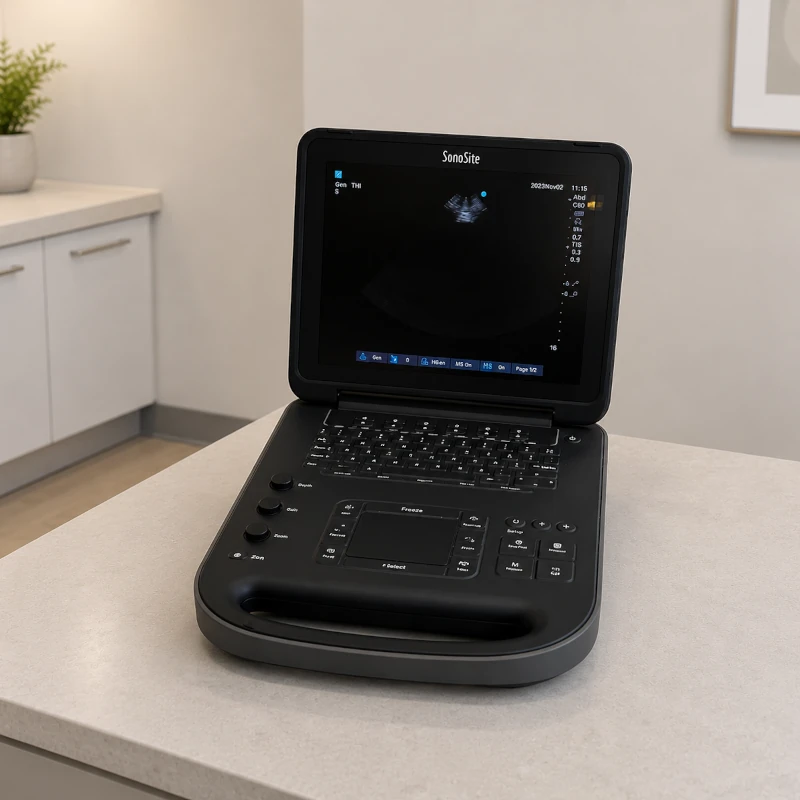
The type of ultrasound machine and probe needed depends on the species and the clinical goal, which is why understanding different portable ultrasound machines types can be helpful when comparing veterinary systems.
Small animal clinics usually need versatile systems that can handle both abdominal and cardiac imaging in dogs and cats.
Equine practice often depends on portable machines with good battery life and probes suited for reproduction and musculoskeletal work.
Livestock veterinarians usually need durable, field-ready systems that are easy to transport and use in chutes or barns.
Exotic and wildlife work often calls for very small, high-frequency probes that can produce detailed images in tiny or delicate patients.
Specialty practices such as cardiology may need higher-end systems with Doppler and more advanced software.
The key is not just choosing an ultrasound machine, but choosing one that fits the species and the type of exams being performed most often, which is exactly what this veterinarian’s guide to choosing the right ultrasound machine is designed to help with.
Conclusion
Ultrasound is used across a wide range of animals in veterinary medicine, including dogs, cats, horses, cattle, sheep, goats, pigs, and many exotic species. It helps veterinarians evaluate internal organs, confirm pregnancy, assess heart disease, investigate injuries, and make treatment decisions without surgery or radiation.
Because it is safe, versatile, and useful in both routine and emergency care, ultrasound has become one of the most valuable diagnostic tools in veterinary practice. The reason an animal needs ultrasound depends on the species, the symptoms, and the veterinarian’s clinical goal, but across all of these cases, the aim is the same: to get useful answers quickly and safely.
FAQ
What animals can have an ultrasound?
Dogs, cats, horses, cattle, sheep, goats, pigs, rabbits, ferrets, birds, reptiles, and many exotic pets can all have an ultrasound, depending on the medical situation.
Why would a dog need an ultrasound?
A dog may need ultrasound for abdominal pain, vomiting, bladder problems, suspected masses, pregnancy confirmation, or evaluation of heart disease.
Why would a cat need an ultrasound?
Cats may need ultrasound for weight loss, chronic vomiting, urinary problems, kidney or liver disease, intestinal issues, or suspected heart disease.
Do horses need ultrasound?
Yes. Horses commonly need ultrasound for reproductive exams, pregnancy checks, tendon and ligament injuries, lameness workups, and certain abdominal or thoracic assessments.
Is ultrasound used for cattle and livestock?
Yes. It is widely used in cattle, sheep, goats, and pigs for pregnancy diagnosis, reproductive management, fetal viability checks, and herd health decisions.
Can exotic animals have ultrasound?
Yes. Rabbits, ferrets, birds, reptiles, and other exotic species can be scanned, although they often require more specialized handling and equipment.
Is ultrasound safe for animals?
Yes. Ultrasound is generally considered very safe because it uses sound waves rather than radiation. It is non-invasive and usually painless.
Can ultrasound detect pregnancy in animals?
Yes. Ultrasound is commonly used to confirm pregnancy and assess fetal viability in many animal species.
When is ultrasound better than an X-ray for animals?
Ultrasound is usually better for soft tissues, organs, fluid, pregnancy, and heart structure. X-rays are often better for bones, some chest problems, and certain foreign objects.
Do all animals with symptoms need an ultrasound?
No. A veterinarian decides whether ultrasound is needed based on the animal’s symptoms, history, physical exam findings, and other diagnostic results.