Summary
Keeping an ultrasound machine in good working order is not just smart, it is essential for patient safety and day-to-day reliability. Once the manufacturer’s warranty ends, most facilities move to a service contract that covers things like replacement parts, technician labor, preventive maintenance, software updates, and remote support. In many cases, maintenance costs are tied to the value of the system. Full-service contracts often run about 8 to 15 percent of the machine’s purchase price each year, while high-end systems may cost around US$2,500 per month, or roughly US$30,000 annually, to maintain. Understanding these costs can help clinics and hospitals choose the right level of coverage and avoid expensive downtime.
Introduction
Ultrasound machines are complex medical devices made up of power supplies, circuit boards, software, and delicate transducer arrays, all of which are essential ultrasound machine parts that require regular maintenance to ensure reliable performance. Like any precision equipment, they need regular servicing and calibration to maintain image quality and reliable performance.
New systems usually come with a limited manufacturer warranty, but once that ends, the owner is responsible for repair and maintenance costs. That is where a service contract, also called a maintenance agreement, comes in. These paid plans extend or expand coverage beyond the original warranty and may include everything from parts and labor to preventive maintenance and software updates.
This article explains what service contracts typically cover, how costs are calculated, the different contract options available, and how facilities can manage maintenance expenses more effectively.
What Does a Service Contract Include?
A service contract outlines who will repair the machine, which parts are covered, and how quickly support will be provided. Coverage varies by vendor, but most full-service agreements include the following:
Parts replacement and labor
Failed components such as power supplies, circuit boards, or cables are replaced, and the repair work is carried out by authorized service technicians.
Preventive maintenance visits
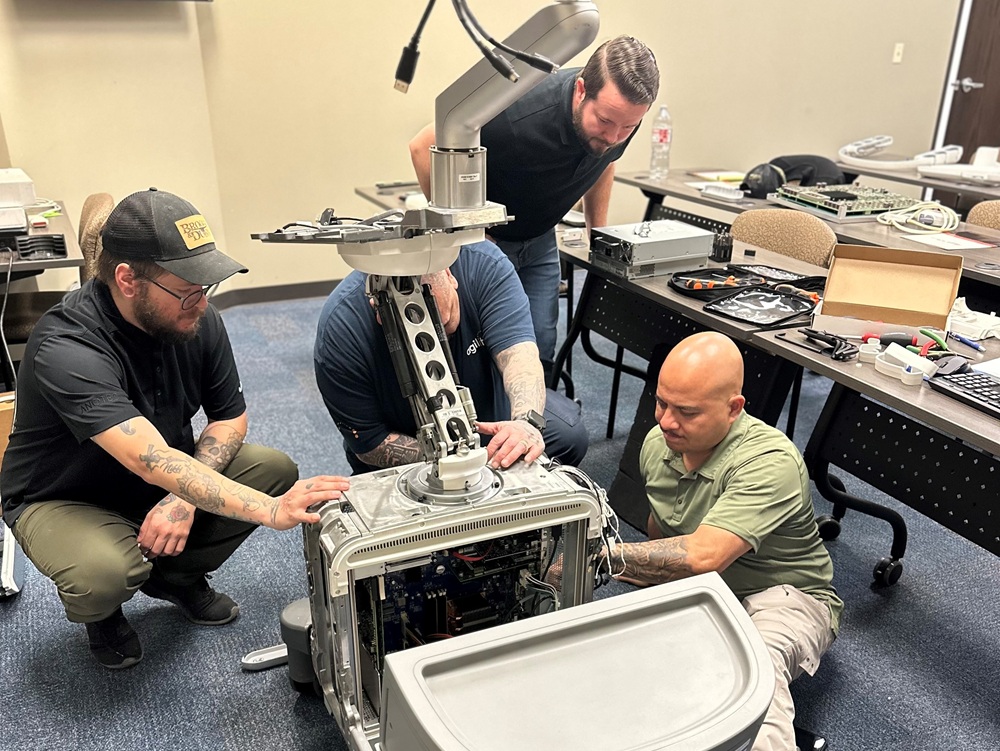
Scheduled service visits allow technicians to inspect the system, clean filters, calibrate performance, and replace worn parts before they fail. This helps reduce unexpected breakdowns and may also support regulatory compliance.
Software updates
Ultrasound systems rely on specialized software, and service contracts often include manufacturer updates that can improve safety, performance, and system stability.
Remote and phone support
Many agreements also include access to technical support teams who can troubleshoot issues over the phone or through remote access.
Some vendors go further and offer loaner systems, probe replacement, or guaranteed emergency response times. It is important to read the contract carefully, since lower-cost plans may leave out expensive but important components like transducers, which are sometimes covered under separate agreements.
Unlike a warranty, which is usually included with the purchase and covers manufacturing defects for a set period, a service contract is a paid plan that continues or expands support after the warranty expires.
Typical Maintenance Cost Range
Facilities usually estimate ultrasound maintenance costs in one of a few ways. The most common approach is to calculate service as a percentage of the machine’s original purchase price.
Industry sources suggest that full-service contracts from the original equipment manufacturer, or OEM, typically cost around 10 to 14 percent of the system’s purchase price each year. Independent service organizations, or ISOs, and in-house biomedical teams may reduce that to around 8 to 12 percent. Some general industry estimates place annual maintenance closer to 10 to 15 percent overall, while stronger warranty coverage can keep costs as low as 2 percent during the early years before rising later in the machine’s life.
High-end or heavily used systems usually cost more to maintain. In some cases, a premium ultrasound machine may cost about US$2,500 per month, or US$30,000 per year, to keep under full coverage. Preventive maintenance-only plans are much less expensive, with some starting around US$1,500 annually.
Since ultrasound systems often last around 7 to 10 years, building maintenance into the long-term budget is important if you want the equipment to reach its expected lifespan, especially when considering how long ultrasound machines last and how service strategies affect longevity.
Percentage of Equipment Value
OEM full-service contracts
Usually around 10 to 14 percent per year.
ISO or third-party contracts
Usually around 8 to 12 percent per year, which can mean about 15 percent in savings compared with OEM pricing.
In-house service for large hospitals
Often around 4 to 6 percent per year, assuming trained biomedical engineers are already on staff.
Strong warranties or extended coverage
Can reduce service costs to as little as 2 percent in the early years, with costs increasing to 10 to 14 percent as the equipment ages.
Monthly or Annual Flat Rates
Some service providers offer flat-rate pricing instead of percentage-based contracts. For a top-tier machine, full coverage may cost around US$2,500 per month. A preventive maintenance-only agreement with two scheduled visits per year may cost around US$1,500 annually.
These figures show how widely pricing can vary depending on the system itself and the level of coverage included.
Factors That Affect Cost
Several things can influence the price of an ultrasound service contract:
System complexity and age
Newer high-end systems, especially those with advanced 3D software or specialized transducers, are usually more expensive to maintain. Older machines may also cost more over time because they tend to need repairs more often, especially after the first five to seven years.
Number and type of transducers
The more probes a system has, the more there is to maintain or replace, and understanding what an ultrasound probe is helps explain why these components are among the most delicate and frequently serviced. Specialty probes such as TEE or 3D transducers can significantly increase service costs.
Utilization level and working environment
Machines used in busy emergency departments, mobile units, or demanding environments tend to experience more wear and tear than systems in lower-volume clinics. Units used in ambulances or field settings may need more frequent service.
Contract coverage level
A full-service contract that includes parts, labor, preventive maintenance, and probe replacement will cost more than a limited plan that excludes certain components or sets a cap on repairs.
Vendor type
OEM contracts are often the easiest and most comprehensive option, but they usually cost more than third-party or in-house service models.
Types of Service Contracts
Facilities can choose from several service models depending on budget, staffing, and tolerance for risk.
Full-Service Contracts
Full-service agreements usually cover parts and labor, preventive maintenance visits, software updates, and sometimes unlimited transducer replacement. Some also include emergency response guarantees and loaner equipment.
These contracts are popular because they reduce downtime and make budgeting easier, but they are also the most expensive. In many cases, they cost around 10 percent of the machine’s purchase price each year. Some providers also offer uptime guarantees and annual planned maintenance as part of the package.
Parts-Only or Limited Coverage
Parts-only plans cover replacement components, but the facility still pays for labor or service call fees. Limited contracts may include only one preventive maintenance visit per year or exclude costly items such as probes.
These plans are often attractive to facilities with in-house biomedical teams or to organizations willing to take on more repair risk in exchange for lower annual costs.
Transducer or Probe Coverage Plans
Probes are some of the most delicate and expensive parts of an ultrasound system, which is why many facilities rely on specialized ultrasound probe repair services to manage damage and extend usability. Because of that, some vendors offer transducer-only contracts. These are often priced at less than one-tenth of the equipment’s value per year and may cover wear and accidental damage for standard probes.
These plans can be added to a limited or parts-only agreement to create a more balanced maintenance strategy. However, specialty probes may still require separate coverage.
Time and Materials or Pay-as-You-Go
With a pay-as-you-go model, the facility pays only when service is actually needed. This can work well for low-use machines or for facilities that already have backup units available.
Preventive maintenance can still be purchased separately, often for around US$1,500 per year, but there is no fixed repair ceiling and no guaranteed response time. This approach tends to work best for organizations with their own technical staff or strong relationships with third-party service providers.
In-House Service and Hybrid Models
Large hospitals sometimes rely on in-house biomedical engineers for routine maintenance and minor repairs, which helps reduce reliance on outside vendors. In-house service can bring annual maintenance costs down to around 4 to 6 percent of the machine’s value.
A hybrid approach is also common. In this model, internal staff handle preventive maintenance and basic repairs, while the OEM or a third-party service provider is brought in for more complicated issues or specialty probes. This can reduce costs while still giving the facility access to expert support when needed.
Strategies to Reduce Maintenance Costs
There are several ways facilities can keep maintenance expenses under control without sacrificing reliability:
Compare vendors
Get quotes from OEMs, third-party service organizations, and equipment insurance providers. Third-party coverage can sometimes reduce costs by about 15 percent compared with OEM plans.
Bundle multiple systems
Facilities with several machines may be able to negotiate better pricing by putting them under one contract.
Use different coverage levels for different systems
Full-service coverage may make sense for critical machines in emergency or cardiac departments, while less-used or backup systems may only need limited coverage or pay-as-you-go support.
Invest in preventive maintenance
Routine inspections and cleaning can reduce unexpected failures and keep the machine operating within required standards. Preventive maintenance plans can start around US$1,500 per year and often pay off in the long run.
Know when replacement makes more sense
If annual maintenance costs climb above 15 percent of the machine’s purchase price, replacement may be more cost-effective. Most ultrasound systems last around 7 to 10 years, and beyond that point repairs may become more frequent and parts harder to find.
Conclusion
Maintenance is a major part of the total cost of owning an ultrasound machine. Full-service contracts often fall in the 10 to 14 percent range of the system’s purchase price each year, though the actual cost depends on the machine’s complexity, age, usage, number of probes, and who provides the service.
Lower-cost options such as preventive maintenance plans, probe-only coverage, pay-as-you-go service, or in-house support may work well in the right setting. By understanding what each contract includes and comparing providers carefully, healthcare facilities can find the right balance between reliability, compliance, and budget.
A thoughtful maintenance strategy helps protect your imaging investment, reduce downtime, and support consistent, high-quality patient care.
Frequently Asked Questions (FAQ)
How much does a typical ultrasound service contract cost?
A full-service contract usually costs around 10 to 15 percent of the machine’s purchase price each year. OEM contracts are generally at the higher end, around 10 to 14 percent, while third-party plans may be about 15 percent less expensive. Preventive maintenance-only plans can start at around US$1,500 per year.
Can I maintain an ultrasound machine without a service contract?
Yes. Some facilities choose to pay for repairs only when needed or rely on in-house technical staff. However, preventive maintenance and replacement parts still need to be budgeted for. Preventive maintenance alone may cost around US$1,500 per year, and unexpected major repairs can be expensive.
Are OEM contracts better than third-party contracts?
OEM contracts are usually more comprehensive and convenient, but they often cost more. Third-party service organizations can offer similar support at a lower price. Some facilities use a hybrid approach, keeping OEM coverage for complex or high-risk systems while using third-party support for others.
Do service contracts cover probes?
Not always. Probes are some of the most heavily used and fragile parts of the system, so they are often excluded from standard coverage or offered under a separate transducer protection plan. Always check whether standard probes and specialty probes such as TEE or 3D transducers are included.
How long do ultrasound machines typically last?
Most ultrasound machines have a working lifespan of around 7 to 10 years, although some premium systems can remain useful for 15 to 20 years. If annual maintenance costs rise above 15 percent of the original purchase price or replacement parts become difficult to source, it may be time to consider replacing the system.