Summary
Ultrasound is a safe, non-invasive way to see insid
e the body using high-frequency sound waves, creating real-time images without ionizing radiation. Clinicians use it every day for everything from pregnancy monitoring and organ checks to guiding procedures like biopsies and injections. It can even be used therapeutically in certain cases, which is why it remains one of the most flexible tools in modern healthcare.
Introduction
Ultrasound (also called diagnostic sonography) creates live images of organs and soft tissues without exposing patients to X-rays. Instead, it works with sound waves.
During an exam, a handheld device called a transducer sends high-frequency sound waves into the body. A small amount of gel is applied to the skin so those waves travel smoothly. As the waves bounce back from different tissues, the machine converts the returning echoes into moving images on a screen.
Ultrasound is popular for a few simple reasons: it’s safe, widely available, often portable, and usually faster and less expensive than many other imaging options. It helps clinicians check anatomy, track changes over time, guide procedures with more precision, and in some cases even treat certain conditions. Here’s how that plays out in real clinical settings.
Medical Imaging Applications
Most people first encounter ultrasound as an imaging test, and it shows up across nearly every specialty. It’s frequently used to investigate symptoms like pain, swelling, lumps, or abnormal lab results, and to monitor known conditions over time.
Obstetrics and gynecology
Pregnancy ultrasound is the best-known example. It’s used throughout pregnancy to check how the fetus is developing, confirm position, monitor movement and heart activity, and evaluate the placenta and amniotic fluid. Many pregnancies also include a detailed anatomy scan around 20 weeks, which closely reviews fetal development and may reveal the baby’s sex.
Outside of pregnancy, ultrasound is also a workhorse in gynecology. It helps clinicians look at the uterus and ovaries and can support diagnosis of conditions like fibroids, ovarian cysts, and endometriosis.
Abdominal and organ imaging
Ultrasound is often a first step when someone has abdominal pain or abnormal liver or kidney tests. It can evaluate organs such as the liver, gallbladder, pancreas, spleen, and the abdominal aorta. Clinicians use it to spot issues like cysts, tumors, gallstones, and aneurysms.
Kidney ultrasound can check size and structure and help identify cysts or blockages. Pelvic ultrasound, including transvaginal or transrectal approaches when needed, can assess structures like the bladder, uterus, ovaries, and prostate. Ultrasound is also commonly used to evaluate the thyroid, especially when there’s a lump in the neck or abnormal thyroid findings.
Cardiac and vascular imaging
When ultrasound is used to examine the heart, it’s called echocardiography. It can show the heart’s chambers, valves, and pumping function in motion, which is especially useful when clinicians are evaluating murmurs, heart failure symptoms, or valve problems.
Ultrasound also plays a major role in evaluating circulation. Doppler ultrasound shows blood flow in real time, making it useful for diagnosing problems like deep vein thrombosis (DVT), peripheral artery disease, and narrowing of the carotid arteries.
Breast and thyroid imaging
Breast ultrasound is commonly used when there’s a lump or when something on a mammogram needs a closer look. It can often help distinguish a fluid-filled cyst from a solid mass, and it’s frequently used to guide breast biopsies. It can be especially helpful for people with dense breast tissue.
Thyroid ultrasound is similarly common for evaluating nodules and measuring gland size or structural changes.
Musculoskeletal imaging
In sports medicine and orthopedics, ultrasound can assess tendons, ligaments, muscles, and joints. It’s often used for suspected tendon tears, ligament injuries, inflammation, and muscle strains. One advantage here is that ultrasound can be dynamic, meaning clinicians can watch structures as the patient moves.
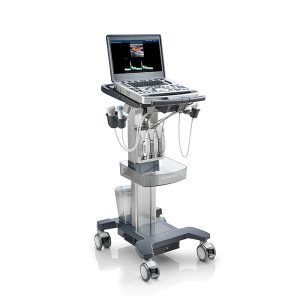
For clinics that rely heavily on musculoskeletal and sports imaging, having durable and portable equipment matters. Systems like modern Honda portable ultrasound units are often selected for their mobility and consistent image clarity in high-volume settings.
Ultrasound also pairs naturally with treatment by guiding injections or fluid aspiration.
Pediatric and neonatal uses
Ultrasound is used frequently in children and infants because it avoids radiation. Depending on the case, it may help evaluate concerns like appendicitis, screen for hip dysplasia, assess hydrocephalus, or detect intracranial bleeding in newborns. In many pediatric settings, it’s the first imaging option clinicians reach for.
Ultrasound-Guided Procedures
Ultrasound is not just for diagnosis. It’s also a “real-time map” that helps clinicians place needles and instruments more accurately during minimally invasive procedures.
It’s commonly used to guide biopsies (such as liver, kidney, prostate, or breast), drain fluid collections, assist with nerve blocks, and support safer placement of central lines. In reproductive and gynecologic care, it can also help with embryo transfers and confirm IUD placement.
Because these procedures depend heavily on transducer performance and image accuracy, regular servicing and timely evaluation through a comprehensive portable ultrasound service program can help maintain procedural precision and reduce unexpected downtime.
The benefit is straightforward: seeing the target in real time can improve precision and reduce complications.
Therapeutic Ultrasound
Ultrasound isn’t limited to imaging. In certain settings, it can also be used as a treatment tool.
In rehabilitation and physical therapy, low-intensity therapeutic ultrasound is sometimes used for musculoskeletal pain and soft tissue conditions, including problems like osteoarthritis, shoulder injuries, and myofascial pain.
At the more advanced end, high-intensity focused ultrasound (HIFU) concentrates sound energy to destroy targeted tissue, such as certain tumors, without traditional surgery. Focused ultrasound waves are also used in lithotripsy to help break kidney stones. Researchers have explored additional therapeutic uses as well, including possible roles in supporting fracture healing.
Benefits and Advantages
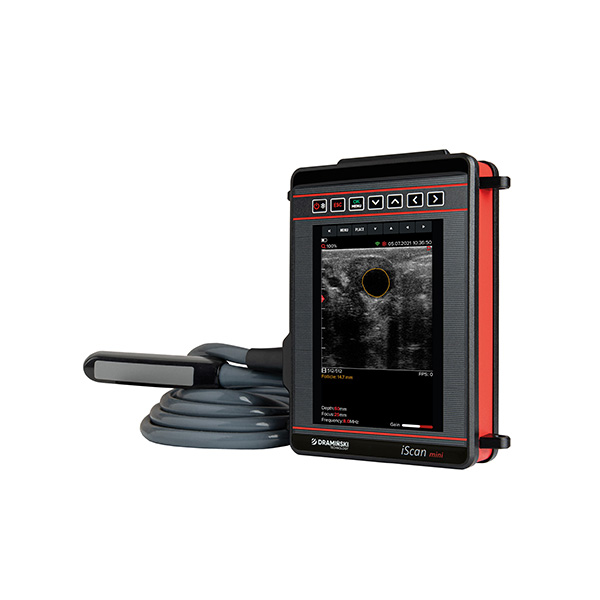
Ultrasound remains widely used because it combines safety with practicality. It does not use ionizing radiation, so it can be repeated when necessary. It produces images in real time, which is ideal for moving structures like the heart or for evaluating blood flow. Many ultrasound systems are portable enough for bedside use, including in emergency and critical care settings, and the results are available immediately. For veterinary and mixed-practice environments that require field-ready equipment, rugged platforms such as Dramiński veterinary ultrasound systems are often chosen for their durability and flexibility.
Conclusion
Ultrasound is used across medicine, from prenatal monitoring and abdominal imaging to heart evaluation, vascular assessment, musculoskeletal exams, and pediatric care. It also plays a major role in guiding procedures and, in certain cases, delivering therapeutic treatments.
Because it’s safe, versatile, and relatively affordable, ultrasound remains a first-line tool in many clinical situations. If you’re considering an ultrasound or have been referred for one, your healthcare provider can explain why it’s the best option for your specific symptoms or condition.
Frequently Asked Questions (FAQ)
1. Is ultrasound safe?
Yes. Ultrasound uses sound waves rather than ionizing radiation and has a long safety record.
2. What conditions can ultrasound diagnose?
It can help evaluate abdominal organs, kidneys, breasts, pelvic organs, the heart, blood vessels, and many muscles, tendons, and joints.
3. How is ultrasound used during pregnancy?
It monitors fetal growth and development and can evaluate heart activity, position, placenta location, and amniotic fluid levels.
4. Can ultrasound guide medical procedures?
Yes. It’s commonly used to guide biopsies, injections, catheter placement, and embryo transfers for improved accuracy and safety.
5. What is therapeutic ultrasound?
Therapeutic ultrasound uses sound waves to treat certain conditions, including some musculoskeletal pain issues and, in specialized settings, kidney stones or targeted tissue ablation.