Summary
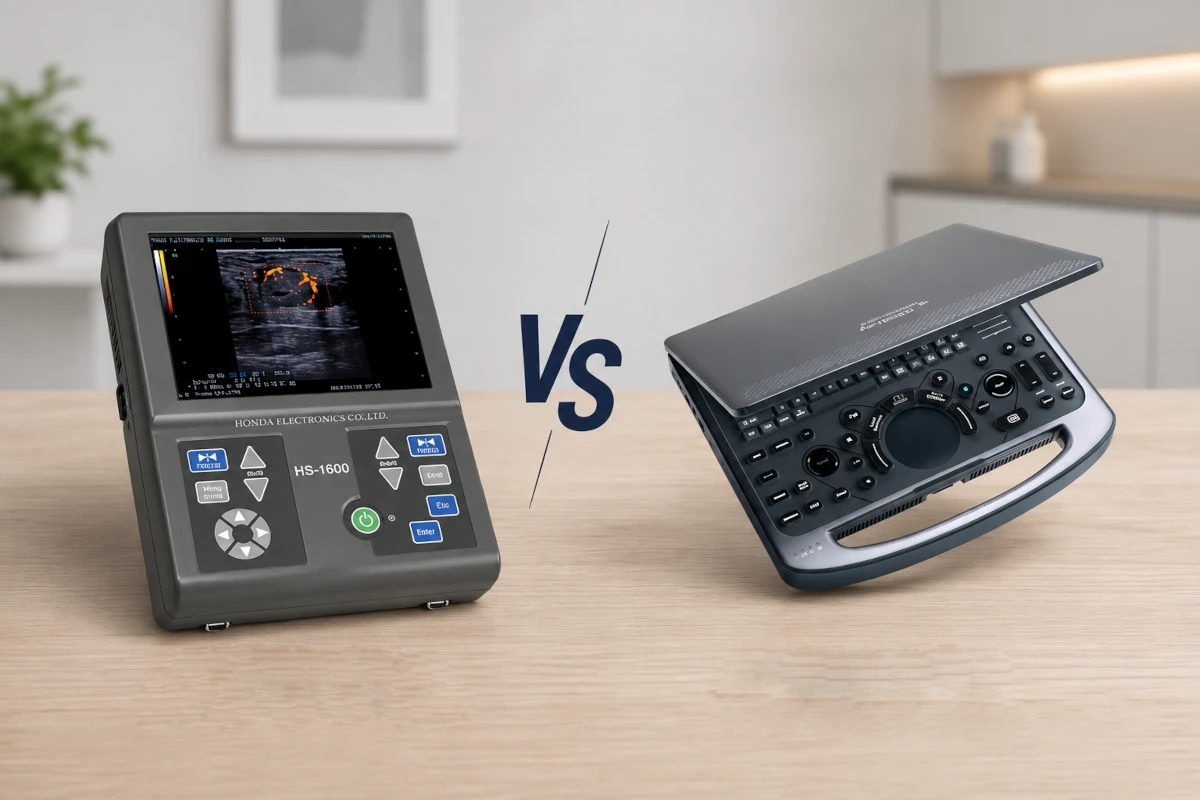
Most ultrasound machines have a working life that falls into two broad ranges: about 5 to 7 years for portable systems and 7 to 12 years for larger console (cart-based) units, with real-world lifespan shaped heavily by how hard the system is used and how well it is maintained. Portables tend to age faster because they are moved more, rely on batteries, and put more wear on probes and cables. Console systems often stay dependable longer, especially when routine servicing, software updates, and timely part replacement are kept on schedule.
Introduction
Ultrasound equipment is a major capital purchase, and its lifespan affects much more than the balance sheet. Knowing what a “normal” service life looks like helps with budgeting, maintaining consistent patient care, and planning upgrades before performance becomes a problem.
Replacing a system too early can create unnecessary cost. Waiting too long, though, can lead to declining image quality, workflow disruptions, and growing maintenance bills. Below, we’ll walk through typical lifespan ranges, what actually shortens or extends them, the practical warning signs that a machine is nearing the end of its useful run, and what you can do to keep your system performing well for as long as possible.
Average Lifespan of Ultrasound Machines
There is no single expiration date for ultrasound systems. Lifespan depends on the type of unit, how frequently it is used, and how consistent servicing has been over the years.
In general, portable ultrasound machines last around 5 to 7 years, while console (cart-based) systems commonly run 7 to 12 years. Many manufacturers also cite roughly seven years as a typical “average usable life,” though it can be shorter in high-demand environments and longer in lower-volume settings with strong maintenance discipline.
One important nuance: the transducer (probe) is often the first part to fail. Even when the main system is still functioning well, probes can start to degrade from heavy scanning volume, cable strain, drops, and repeated cleaning cycles. When image quality begins to decline due to probe wear, working with a provider that offers professional ultrasound probe repair can restore performance and delay full system replacement.
A useful way to think about replacement timing is by workload. High-volume sites often replace closer to seven years, moderate-use settings may extend closer to eight, and low-use environments can sometimes keep equipment clinically viable for nine years or more. These are guidelines, not hard limits, but they help set expectations for planning.
Portable Ultrasound Machines
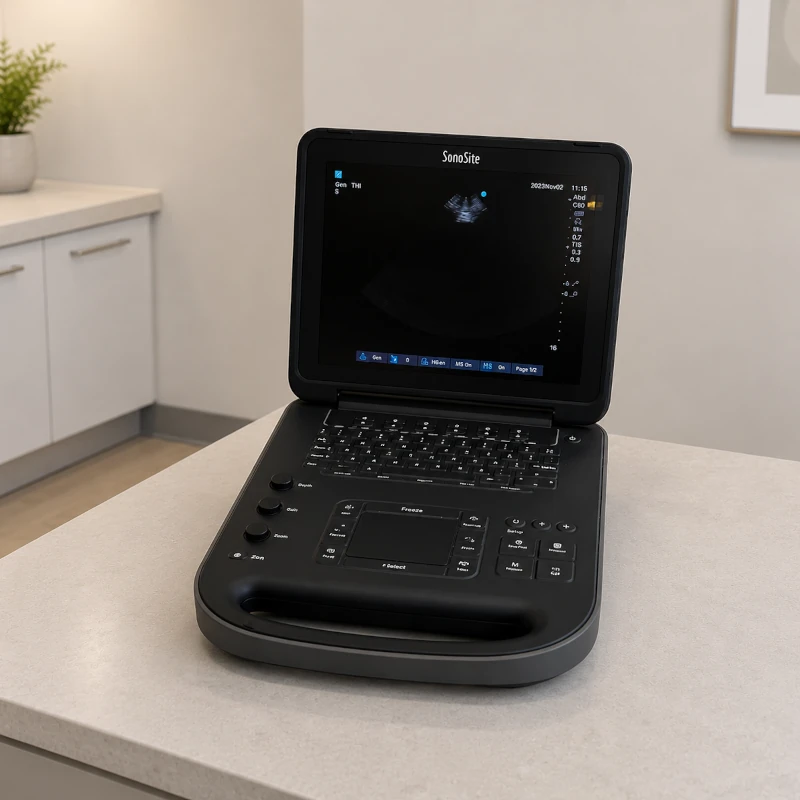
Portable units are built for flexibility, but that mobility comes with tradeoffs. Most portable systems land in the 5 to 7 year range, largely because they are handled more and exposed to more “real-world” stress.
That shorter lifespan is usually driven by transport and daily handling, greater dependence on battery health, and higher wear on probes and cables. Portables also tend to have tighter internal layouts and smaller cooling systems, which can become a factor in demanding, continuous-use situations.
The good news is that the biggest trouble spots are often predictable. Batteries frequently need replacement before other major components, and probes tend to take more physical strain because they are constantly being set down, moved, plugged in, unplugged, and cleaned. Regular inspections and good shutdown habits matter more with portables than many teams realize. When deeper hardware issues develop, sending the unit to a qualified portable ultrasound repair center for full evaluation can often extend usable life significantly.
Console (Cart-Based) Systems
Console systems generally have a longer runway, often 7 to 12 years, especially in moderate-use environments. They are typically designed with stronger cooling, easier access to internal components, and more serviceable modules. In many cases, they also offer more upgrade paths over time.
Still, even a strong console can start to feel its age once it passes the seven-year mark, particularly if preventive maintenance has been inconsistent. Older systems also run into a practical challenge: long-term support. Even if the unit still “works,” keeping it clinically reliable depends on continued access to software support, replacement parts, and service expertise.
What Really Affects Ultrasound Machine Lifespan?
Usage level
Wear and tear adds up fastest in high-throughput environments. Probes and cables take the most direct strain, but heavy daily use also impacts cooling systems (fans and filters), controls like trackballs and buttons, and internal electronics that run warm for long stretches.
Software and technology updates
Ultrasound is not just hardware. Aging software can limit performance, introduce cybersecurity risk, and reduce compatibility with modern networks or storage systems. Even when the system still produces images, outdated operating systems or unsupported software can make it operationally obsolete. Some manufacturers charge significant annual fees for ongoing updates, but those updates often protect security, improve workflow, and keep the system compliant with current expectations.
Parts availability and maintenance
As systems age, certain parts become harder to source, and repair costs usually rise. Preventive servicing helps because it catches small issues early, keeps calibration stable, and replaces components before they fail at the worst possible time. In practice, probes and batteries are often replaced earlier than the main unit, and staying ahead of those replacements can extend overall system life.
Economic and operational reality
Eventually, the question is not “Can this machine be repaired?” but “Should it be?” Frequent breakdowns create downtime, disrupt scheduling, and can affect patient throughput and confidence in results. At a certain point, repeated repairs may cost more than the value of keeping an older system running, especially when newer models offer meaningful improvements like better image quality, faster processing, workflow integration, and stronger security features.
Signs It’s Time to Upgrade or Replace
Machines rarely fail overnight. More often, they show a pattern of decline. If you are seeing consistently weaker image clarity, recurring hardware issues, frequent error messages, or noticeably slower performance, it is usually a signal that the system is nearing the end of its most efficient life.
Another major flag is parts and support. If replacement components are difficult to obtain, service turnaround times are growing, or the software is no longer supported, it becomes harder to justify keeping the system in active clinical rotation.
In some cases, upgrading to a newer portable platform with stronger durability and modern imaging features, such as the current lineup of Honda portable ultrasound systems, can reduce downtime and improve workflow compared to repeatedly servicing an aging unit.
How to Extend the Lifespan of Your Ultrasound Machine
Most lifespan gains come from consistent, practical habits. Daily cleaning and routine deep cleaning help prevent probe damage and system contamination issues. Annual preventive maintenance can catch cooling problems, worn controls, and early electrical failures before they become major breakdowns. Keeping software current supports security and performance, and regularly replacing air filters helps systems run cooler and last longer.
Probe handling deserves special attention. Avoid cable strain, don’t let probes hang by the cord, and make storage easy enough that people actually use it. For portables, battery care matters too. Replacing failing batteries early can prevent performance issues and reduce stress on the system overall. Finally, using original parts and approved accessories may cost more upfront, but it often reduces the odds of compatibility problems and repeat failures.
Conclusion
On average, portable ultrasound systems last about 5 to 7 years, while console systems typically run 7 to 12 years. The real determining factors are usage intensity, maintenance consistency, software support, and the economics of repair versus replacement.
If you track performance over time and plan upgrades before reliability becomes a daily concern, you protect image quality, workflow efficiency, and patient care continuity. With steady upkeep and timely servicing, many systems can stay clinically reliable well beyond baseline expectations.
Frequently Asked Questions (FAQ)
1. How long do portable ultrasound machines last?
Most portable units last 5 to 7 years, with batteries and probes often needing replacement earlier.
2. What is the typical lifespan of a console ultrasound system?
Console systems commonly last 7 to 12 years, though many manufacturers cite around seven years as an average usable lifespan.
3. Does the level of use affect lifespan?
Yes. High-use environments often replace around seven years, while moderate or low-use settings may extend to eight or nine years, sometimes longer with strong maintenance.
4. When should I replace my ultrasound machine?
Replacement makes sense when image quality drops, failures become frequent, parts are difficult to source, software is unsupported, or repair costs start outweighing the value of keeping the system.
5. Can maintenance significantly extend lifespan?
Yes. Regular cleaning, software updates, filter replacement, careful probe handling, and scheduled professional servicing can add years of reliable operation.