Summary
Used portable ultrasound machines can be a smart investment for clinics and practices that want reliable imaging without the price tag of brand-new systems. When chosen carefully, pre-owned units often deliver excellent performance and access to higher-tier models at a significantly lower cost.
Introduction
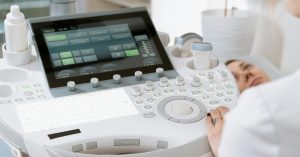
A portable ultrasound machine is a compact imaging system designed for bedside, clinic, or field use. Unlike full-size console units, portable systems are easier to move, faster to deploy, and better suited to point-of-care workflows.
The key difference between new and used portable ultrasound machines is not how they function, but their age, service history, and price. Ultrasound technology itself relies on high-frequency sound waves to create real-time images of internal structures.
Buying used can significantly reduce upfront costs and, in many cases, allow access to more advanced systems than a new-equipment budget would permit. That said, used equipment requires careful evaluation to ensure reliability, performance, and long-term value.
How Portable Ultrasound Machines Work
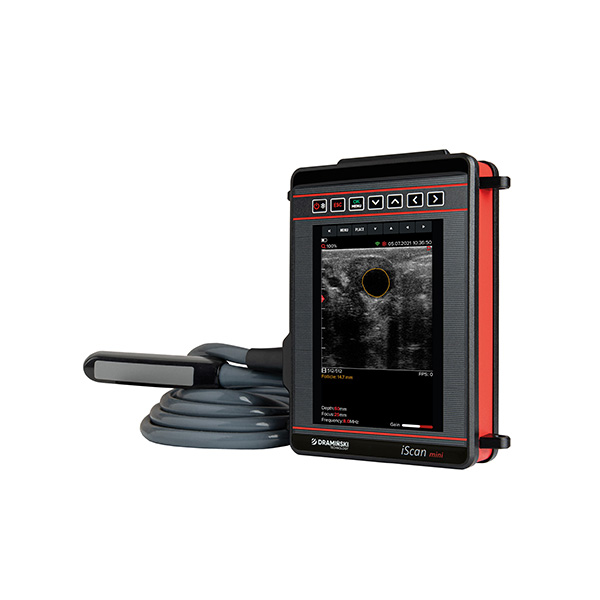
At their core, portable ultrasound machines use the same components as larger systems, condensed into a smaller footprint. A typical unit includes transducer probes, a central processing unit, pulse and gain controls, a display, user interface inputs, and onboard or removable storage.
During a scan, the transducer emits high-frequency sound waves into the body. These waves reflect off tissues and structures at different rates. The system receives the returning echoes, processes them, and converts the data into real-time images on the screen.
Portable machines integrate these elements into laptop-style, tablet-based, or handheld designs, allowing imaging to happen wherever the patient is rather than in a dedicated imaging room.
Why Consider Used Portable Ultrasound Machines
The most obvious advantage of buying used is cost. Pre-owned portable ultrasound machines often sell for a fraction of their original price while still offering dependable imaging quality.
Used systems can also shorten return-on-investment timelines, especially for smaller practices, mobile providers, or training environments. In many cases, buyers can afford a higher-tier model with better imaging capabilities than they could if purchasing new.
There’s also a sustainability benefit. Reusing well-maintained medical equipment extends its service life and reduces unnecessary waste.
That said, buying used is not risk-free. Some units may have limited warranties, older software versions, or fewer upgrade options. Understanding these trade-offs upfront helps avoid surprises later.
Key Considerations When Buying Used
Condition & Age
Start with the basics. Ask how old the machine is, how heavily it was used, and whether service records are available. A well-maintained system that has undergone routine inspections can perform reliably for many years.
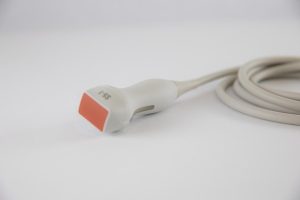
Pay close attention to probes and accessories. Transducers are among the most expensive components to replace, and their condition matters just as much as the main unit itself.
Features & Applications
A used machine should match how you plan to use it. OB/GYN, cardiac, musculoskeletal, vascular, and veterinary applications all place different demands on image quality, probe selection, and software features.
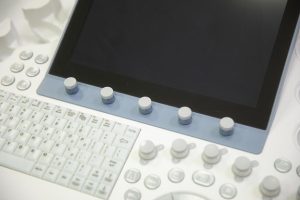
Look for essentials such as high-resolution displays, Doppler capabilities, image storage, and connectivity options. Some older units may lack newer tools like elastography or 3D/4D imaging, which may or may not matter depending on your workflow.
Vendor & Warranty
Where you buy matters as much as what you buy. A reputable vendor should be transparent about the machine’s history, testing process, and refurbishment standards.
Reliable suppliers typically offer some form of warranty, return window, or service agreement. Clear documentation, optional training, and post-sale support are strong indicators that the equipment has been properly evaluated.
Price & Budget
Prices for used portable ultrasound machines vary widely based on brand, condition, probes included, and imaging capabilities. Beyond the purchase price, factor in maintenance, replacement probes, and extended warranty coverage.
Browsing category pages and comparing price ranges across vendors can help establish realistic expectations and prevent overpaying for a particular configuration.
Popular Brands & Models
The used portable ultrasound market is dominated by well-established manufacturers with long service histories.
Brands such as Mindray, GE Healthcare, Philips Healthcare, Sonosite, Esaote, and SonoScape are commonly sought after for their image quality and broad clinical support.
Veterinary-focused manufacturers are also well represented. For field-ready veterinary systems, see our Dramiński portable ultrasound systems, widely used for large-animal and rural applications.
For durable, high-quality portable devices across medical and veterinary settings, explore our Honda ultrasound systems for sale, known for reliability and consistent imaging performance.
New vs. Used Portable Ultrasound Machines
New machines offer the latest technology, full manufacturer warranties, and long software support timelines. They also come with significantly higher upfront costs.
Used machines are more budget-friendly and often provide excellent value, particularly when sourced from reputable suppliers. The trade-off may include shorter warranty periods, older interfaces, or fewer upgrade paths.
Choosing between new and used ultimately depends on budget, clinical requirements, and how critical the latest features are to your practice.
Applications & Use Cases
Portable ultrasound plays a key role across many settings. Clinicians use it to assess pain, swelling, and soft-tissue injuries, monitor pregnancies, guide biopsies and injections, and evaluate cardiac function, including post-infarction damage.
Common scanning areas include abdominal organs, pelvic structures, thyroid, breast tissue, vascular systems, and musculoskeletal regions. In emergency and point-of-care environments, portability allows rapid assessment without moving the patient.
Veterinary professionals rely on portable systems for on-farm diagnostics, reproductive management, and general animal health assessments.
How to Choose a Reliable Vendor
Before purchasing, review customer feedback and ask direct questions about refurbishment standards and testing procedures. Reputable vendors should clearly explain what has been inspected, replaced, or calibrated.
Ask whether training, installation assistance, or technical support is available. Financing options and service agreements can also make ownership more predictable over time.
Conclusion
Used portable ultrasound machines can be a practical, cost-effective solution when purchased with care. Evaluating condition, features, brand reputation, and vendor support helps ensure long-term reliability and performance.
Practices should weigh their clinical needs against budget constraints and explore trusted manufacturers and suppliers. For proven options, reviewing systems from brands such as Dramiński and Honda is a solid place to start.
Frequently Asked Questions (FAQ)
1. Are used portable ultrasound machines reliable?
Yes. When purchased from reputable vendors that properly test and refurbish equipment, used machines can be highly reliable.
2. How much do used portable ultrasound machines cost?
Prices vary widely, but many used portable systems fall well below the cost of new units. Brand, features, probes, and condition all influence pricing.
3. What should I look for when inspecting a used machine?
Check the machine’s age, service history, probe condition, and supported applications. Documentation and testing records are important.
4. Can I upgrade or repair a used portable ultrasound machine?
Often yes. Many vendors offer probe replacements, repairs, and limited upgrades depending on the model.
5. Are warranties available for used machines?
Many suppliers provide limited warranties or service contracts, though coverage length and scope vary by vendor and system.